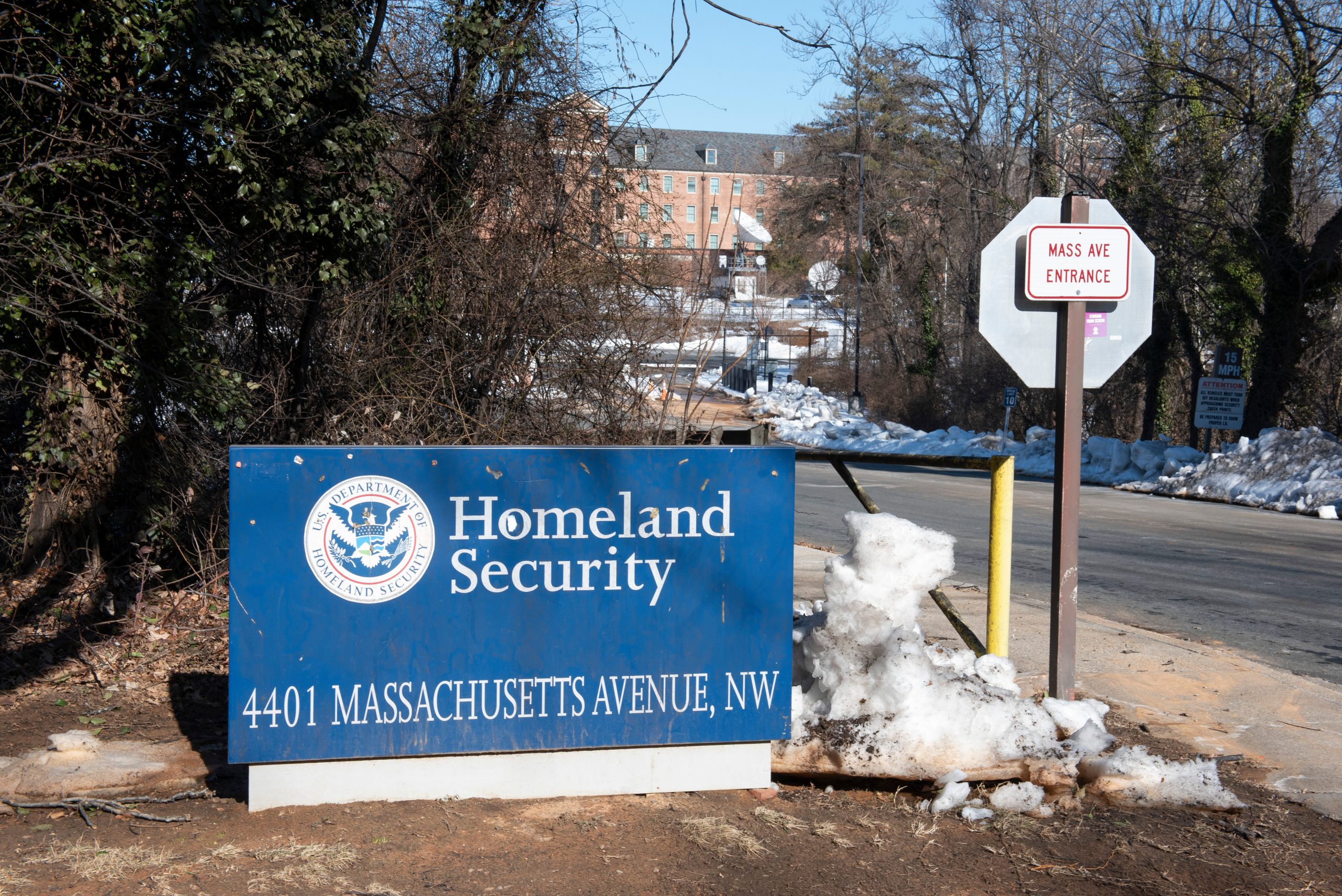
The Department of Homeland Security may not bar members of Congress from making unannounced visits to ICE detention facilities, a federal judge ruled Monday, blocking a policy imposed in January by Secretary Kristi Noem requiring a week’s notice before lawmakers could gain access.
U.S. District Judge Jia Cobb ruled that Noem’s policy was crafted with funds that Congress specifically said could not be used to impede lawmakers’ visits to detention facilities, even if those visits are not announced in advance. And she rejected DHS’ claim that it had relied on alternative funding sources to craft and implement the policy — namely the One Big Beautiful Bill Act, which directed unprecedented sums toward DHS operations.
“The Court agrees that these funds are indeed staggering,” Cobb wrote in the 44-page ruling. “But the power of the purse rests with Congress, and even a deep-pocketed agency must comply with Congress’s restrictions on the permissible uses of appropriated funds.”
The Trump administration quickly appealed the ruling.
It was Cobb’s third time blocking or limiting the reach of Noem’s efforts to prevent unannounced lawmaker visits. In December, the Biden-appointed judge blocked the policy in response to a lawsuit filed by Rep. Joe Neguse (D-Colo.) and a dozen other lawmakers who sued, claiming their efforts to visit detention facilities had been illegally blocked.
But in January, when members of Congress attempted to access an ICE facility in Minnesota in the wake of the fatal shooting of Renee Good — one of them even wielding a paper copy of Cobb’s opinion — ICE blocked them again. Noem had issued a new version of the policy, claiming to fund it with the unrestricted funds of the One Big Beautiful Bill Act. Last month, Cobb again sided with the lawmakers, granting an emergency ruling that allowed Neguse and the dozen other plaintiffs to regain unfettered access to ICE facilities.
This time, Cobb’s ruling will block enforcement of the policy altogether, restoring full access to ICE detention facilities for all members of Congress. Cobb said her latest ruling was strengthened by the fact in recent months, “ICE’s enforcement and detention practices have become the focus of intense national and congressional interest.”
Cobb separately rejected claims that the ongoing shutdown of DHS funding should influence her ruling. Though appropriations for the department have lapsed, she said the agency’s leadership structure is still operating on funding provided by annual appropriations bills — which include the requirement for lawmakers to have unrestricted access to ICE detention centers.
The Department of Homeland Security did not immediately respond to a request for comment.
Attorneys who backed the Democratic lawmakers’ effort to regain access to ICE facilities hailed the ruling as a win for transparency and to expose what they say are cruel and inhumane conditions inside detention centers.
“Today’s ruling makes it clear that Secretary Noem cannot operate detention facilities in the shadows or silence elected officials who are doing their job,” said Skye Perryman, president of Democracy Forward. “The court has once again affirmed that oversight is not optional, transparency is not negotiable, and human rights do not disappear at the doors of a detention center.”