The rapid expansion of artificial intelligence infrastructure is beginning to test the limits of the global semiconductor ecosystem, with Broadcom pointing to growing constraints across key supply chains.
The company said pressure at Taiwan Semiconductor Manufacturing Company is now affecting production timelines, while shortages are also emerging in other critical components.
The situation reflects how demand for AI chips has accelerated faster than expected, absorbing available capacity and forcing companies to rethink how they secure supply.
It also highlights a broader shift in procurement strategies as firms seek to manage risks tied to tight production cycles.
TSMC capacity tightens
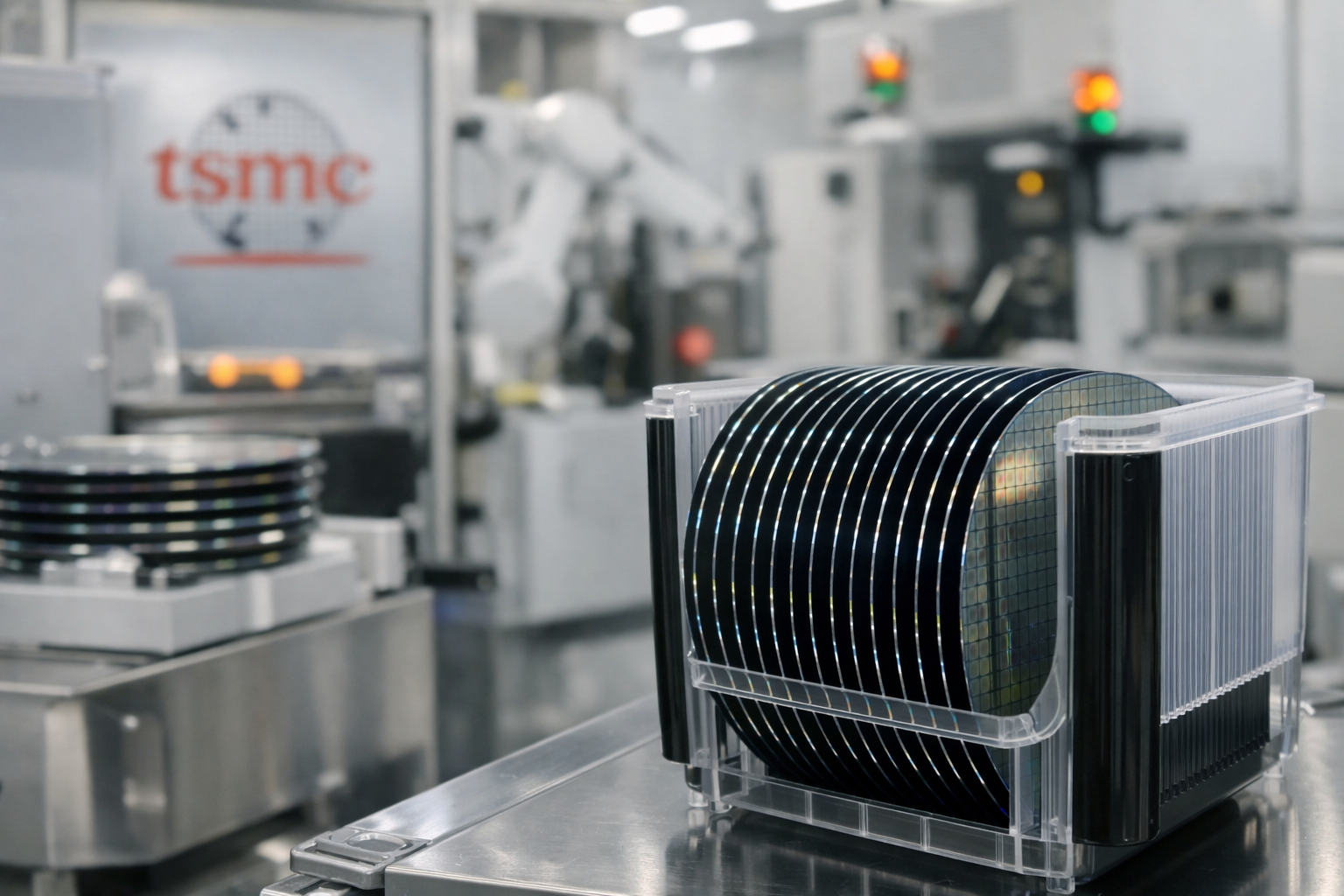
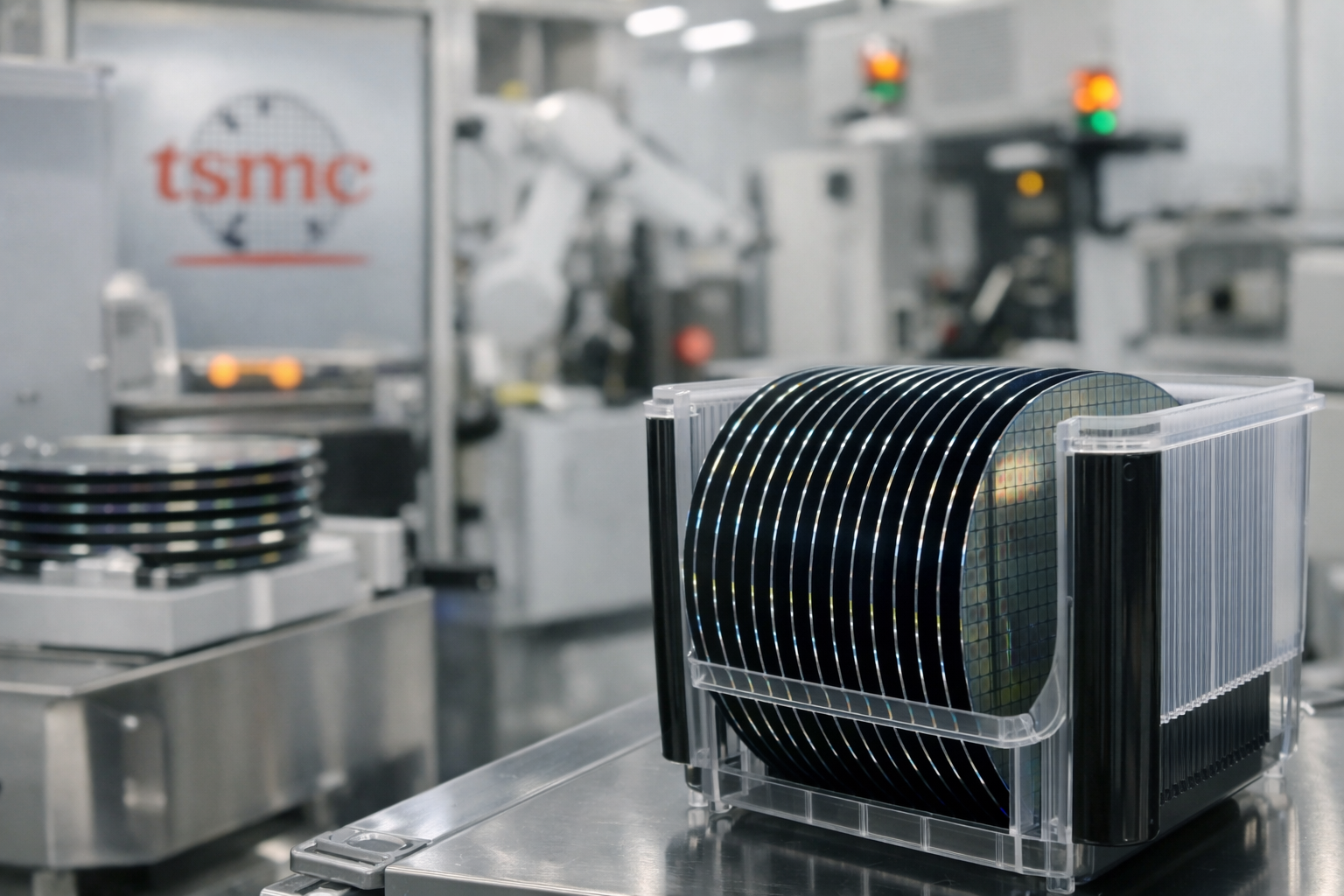
Broadcom said, reports Reuters, its manufacturing partner, Taiwan Semiconductor Manufacturing Company, is approaching production limits as demand for advanced chips linked to AI continues to rise.
The company indicated that capacity constraints, once considered unlikely, are now shaping supply conditions across the industry.
The pressure is expected to continue despite ongoing expansion plans. TSMC is increasing capacity through 2027, but the buildout is not expected to ease immediate strain.
Instead, the current year has emerged as a point where demand is outpacing available production, creating a bottleneck for customers reliant on advanced nodes.
The Taiwanese chipmaker had already signalled these issues earlier, stating in January that strong demand from AI infrastructure projects had absorbed much of its advanced manufacturing capacity.
It also noted efforts to reduce the gap between supply and demand.
Supply strain spreads wider
The constraints are no longer limited to chip fabrication.
Broadcom said the impact is spreading across multiple parts of the technology supply chain, affecting components that are essential to AI systems.
Laser components are facing supply pressure even with several suppliers operating in the market.
This indicates that scaling production for specialised parts remains a challenge as demand rises.
Printed circuit boards have also become an unexpected bottleneck.
Suppliers based in Taiwan and China are dealing with capacity limits, which are leading to longer lead times for companies assembling hardware for AI applications.
These developments show that supply constraints are becoming more complex, extending beyond semiconductor foundries to supporting industries that are critical for final product assembly.
Shift towards long-term contracts
As supply tightens, companies are changing how they secure access to critical components.
Broadcom said customers are increasingly entering long-term agreements with suppliers to lock in capacity over several years.
These contracts typically span three to four years, reflecting a move away from shorter procurement cycles.
The approach is aimed at reducing uncertainty and ensuring continuity in supply during periods of high demand.
The trend is also visible in other parts of the industry.
Samsung Electronics said last week it is working with major customers to shift towards agreements lasting between three and five years.
Managing supply-demand imbalance
The move towards longer contracts reflects a broader effort to manage imbalances between supply and demand.
Customers are seeking stability, while suppliers are aiming to plan production more effectively in a volatile environment.
The current situation highlights how the AI boom is reshaping not just demand patterns but also supply chain dynamics.
As companies continue to expand capacity and adjust procurement strategies, managing these constraints remains a central challenge for the global technology sector.
The post Why is Broadcom warning of tighter supply in AI hardware? appeared first on Invezz